Animal Fur Texture Seamless Pattern: A Designer's Natural Edge
There's something about animal fur texture that immediately evokes warmth, luxury, and a primal connection to the natural world. When that texture is transformed into a high-quality, seamless pattern, it becomes one of the most versatile design assets in a creative professional's toolkit. The Animal Fur Texture Seamless Pattern isn't just a digital file—it's a bridge between organic beauty and polished design work, offering a tactile quality that can elevate everything from a brand's identity to a personal craft project.
Understanding the Visual Character of Fur Patterns
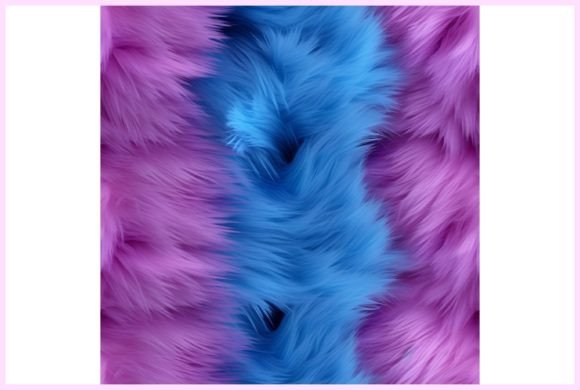
An animal fur texture seamless pattern captures the subtle variations, directional flow, and depth of real fur. Unlike flat, geometric patterns, fur textures introduce organic irregularities that make designs feel authentic and inviting. The visual personality of such a pattern can range from sleek and sophisticated to wild and untamed, depending on the animal inspiration and color palette. A leopard print pattern brings bold energy, while a soft, neutral-toned faux fur texture whispers comfort and elegance. This versatility makes it a valuable asset for projects requiring a specific mood or brand perception.
The technical details matter here. A pattern sized at 2400x2400 pixels at 300 DPI ensures crispness whether you're printing on a small sticker or scaling up for a backdrop. The seamless, tileable feature means you can extend the texture infinitely without visible seams—a critical factor for professional textile design, digital wallpapers, and large-format printing. The RGB color mode is optimized for digital use, making it ideal for social media graphics, web design, and online content, while its high resolution also supports quality print outputs when converted appropriately.
Where This Pattern Truly Shines
For designers and entrepreneurs, the applications are remarkably broad. In brand identity work, a fur texture can add a layer of sophistication or playfulness to packaging design, logo accents, or business stationery. Imagine a boutique pet brand using a subtle, soft fur pattern on their notebook covers or a high-end cosmetics line incorporating a sleek, animal-inspired texture into their social media graphics. The pattern becomes part of the brand's visual language, enhancing recognition and emotional connection.
In editorial design and publishing, this texture works beautifully as a background for magazine layouts, book covers, or blog headers. It adds visual interest without overwhelming text, especially when used with sufficient contrast. For web design, a fur texture can create a warm, inviting atmosphere for websites focused on fashion, lifestyle, or nature-related topics. It's also effective in packaging design, where tactile impressions matter—think of a luxury candle box or a gourmet food label that uses fur texture to suggest quality and indulgence.
Crafters and hobbyists find endless uses as well. The pattern is perfect for scrapbooking, cardmaking, and decoupage projects. Its seamless nature makes it ideal for wrapping paper, DIY projects, and creating custom stickers. For print on demand businesses, it offers a quick way to add unique designs to products like phone cases, tote bags, or apparel without needing to create original artwork from scratch.
Making the Most of Your Design Investment
When integrating an animal fur texture seamless pattern into your work, consider how it interacts with other design assets. Pair it with clean, modern typography—perhaps a sans serif font for body text and a serif font for headlines—to create balance. The texture should enhance, not compete with, your message. Test it at different scales; sometimes a subtle, smaller repeat works better than a large, bold one.
Evaluate your project's needs carefully. If you're working on a brand identity, ensure the fur pattern aligns with the brand's personality and audience expectations. For commercial use, always verify licensing terms to avoid issues down the line. This particular pattern's seamless feature and high resolution make it suitable for both digital and print applications, but it's wise to test a sample in your specific workflow before committing to a large project.
Think about font pairing and hierarchy. A fur texture background can make certain typefaces pop—especially display fonts or script fonts used in headlines. However, ensure body text remains readable against the texture by using solid color blocks or sufficient opacity. The goal is to use the pattern to create visual interest and emotional resonance, not to distract from the core content.
Ultimately, the animal fur texture seamless pattern is a tool for adding depth, warmth, and character to your creative projects. Its strength lies in its ability to adapt—to feel at home in a luxury brand's packaging design, a cozy blog's header image, or a crafter's handmade greeting card. By understanding its visual qualities and practical applications, you can unlock new dimensions in your work, making designs that are not only seen but felt.